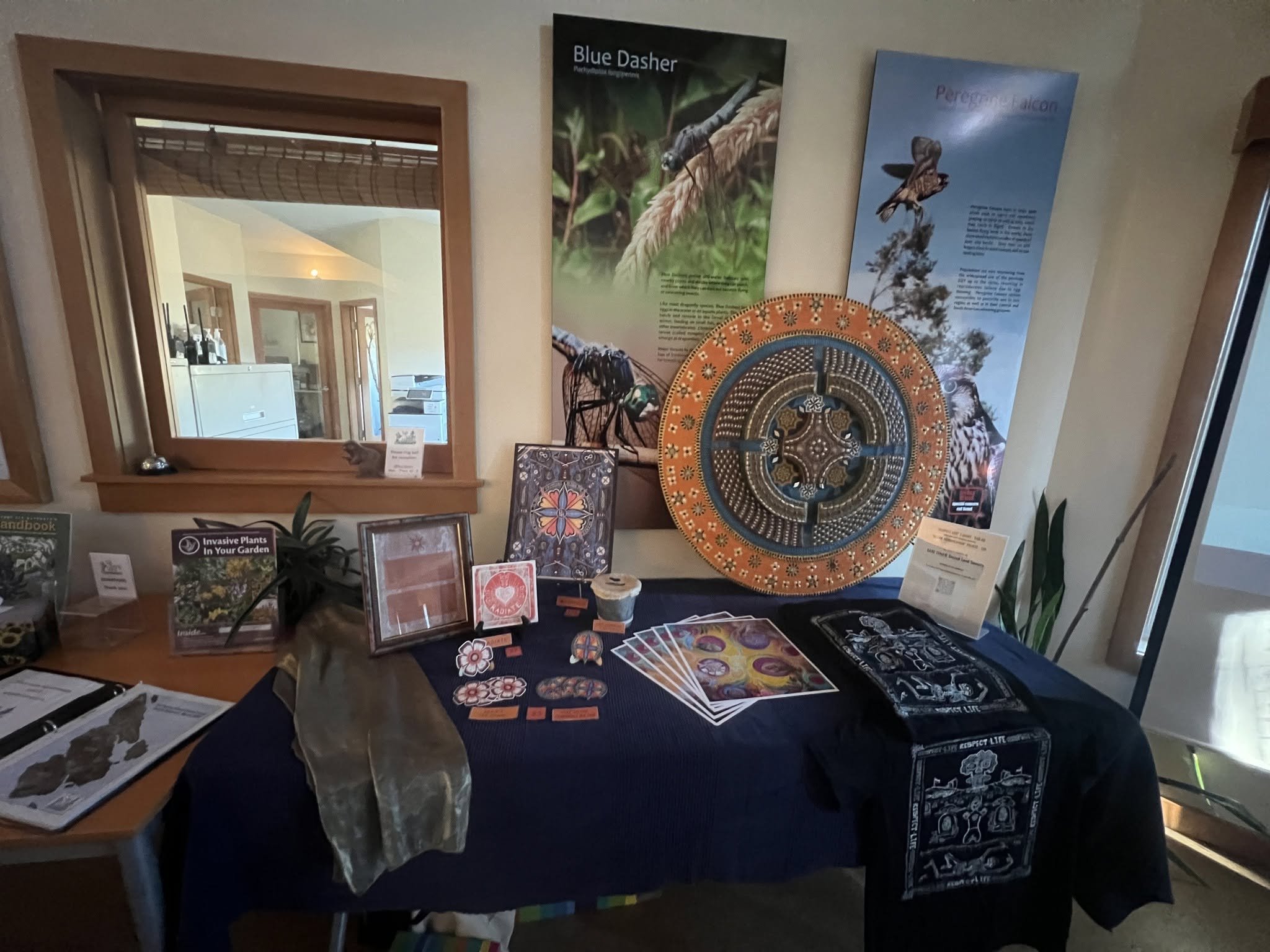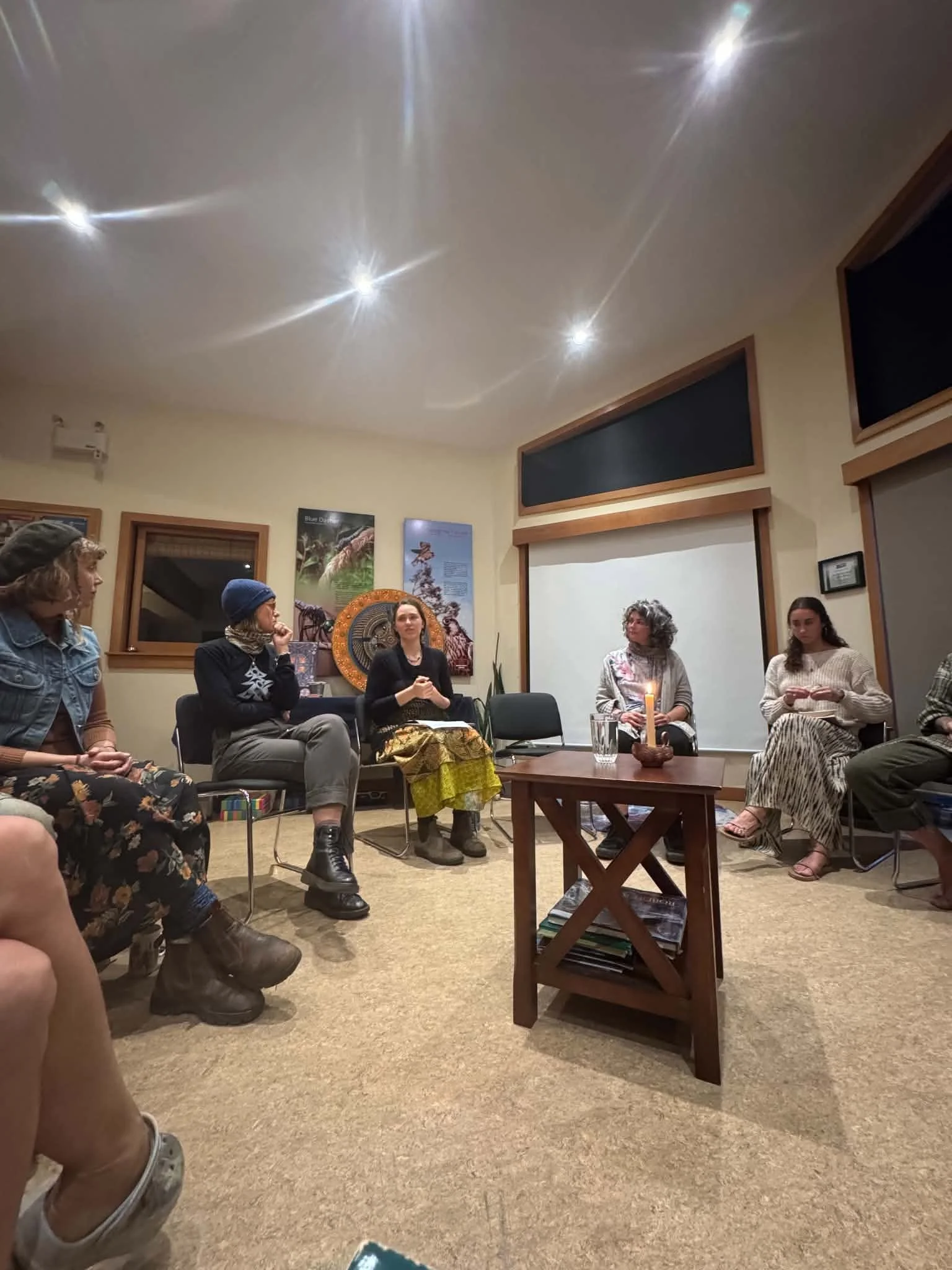

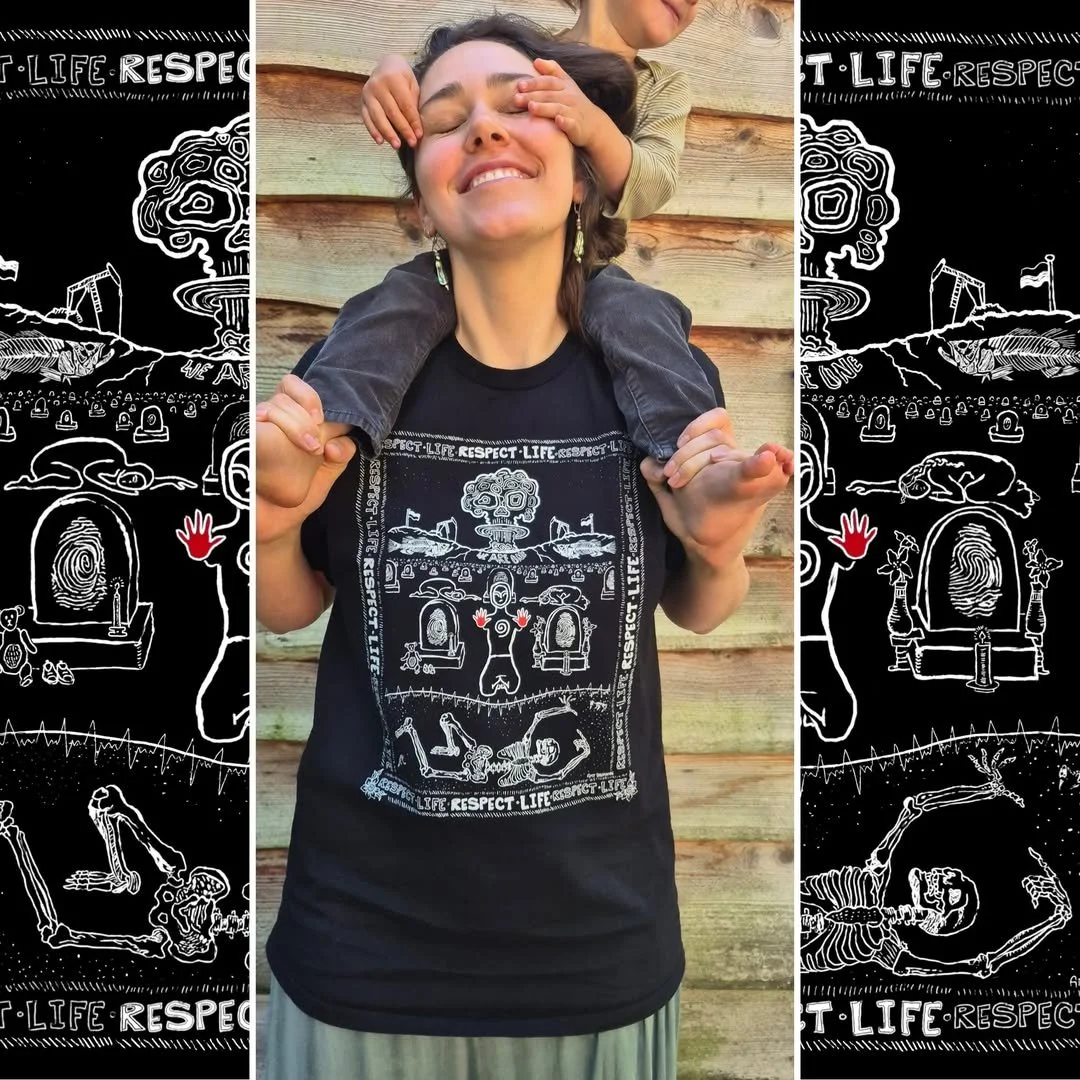





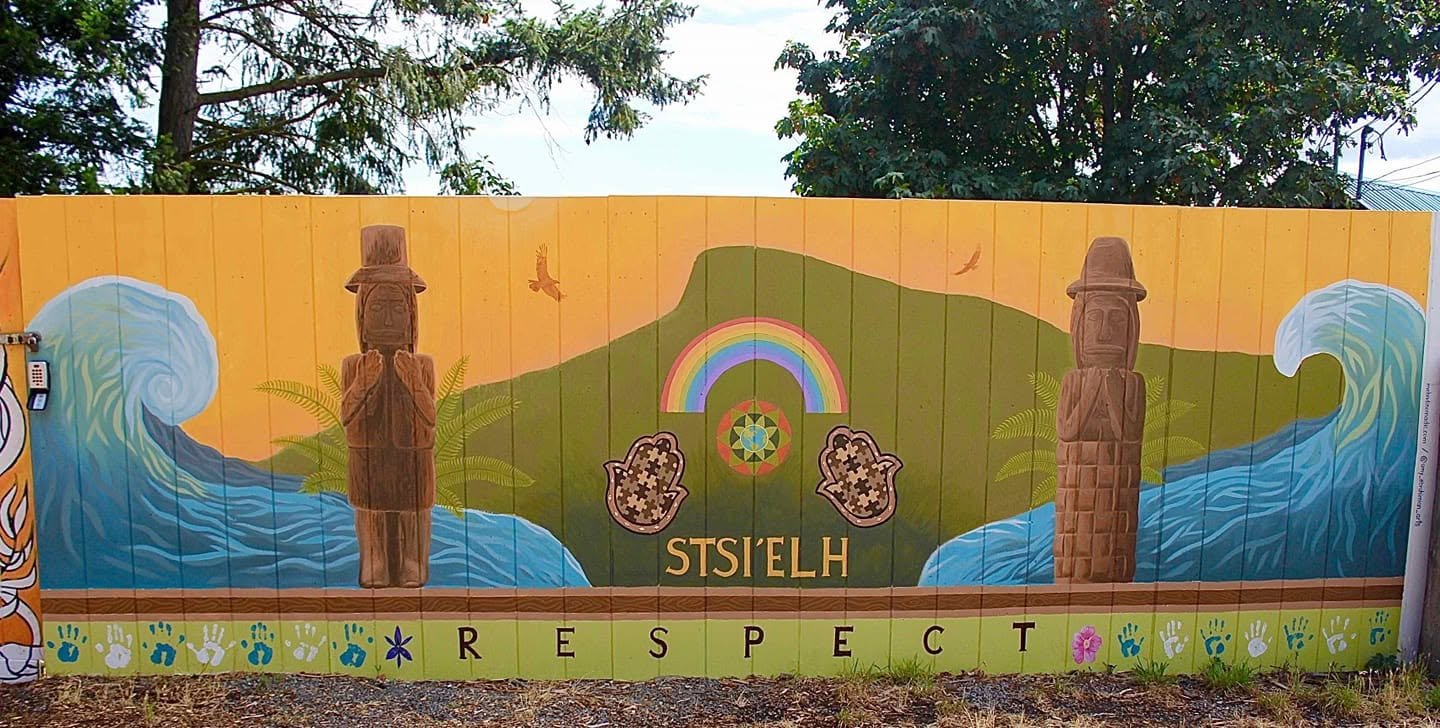
Thanks to everyone who came out for last week’s film screening of YANUNI and community discussion. I thought I’d share some of the pieces that came up in conversation following the film, some tangible ways we can be more involved with water stewardship here on SSI, and then finish off with some news about what’s happening domestically that will have big impacts on our water quality, supplies, and climate. But first! Thank you to Transition Salt Spring Society and the Salt Spring Island Conservancy for sponsoring this event! Thank you to Paz Q Rainville for contributing your inspiring art to the mix, to Carly Martin for the squash donation for the soup, and to Kajin Goh of The Chuan Society for the pot loan so that we had something to cook it in! Thanks to everyone who came, who helped with set-up and take-down making it a breeze, and thanks to you for reading this share-out!
In our discussion, many participants commented on what an incredible gift it is to be in a place with access to abundant clean water, so pure in many cases that it doesn’t even need to be filtered for drinking. Coming from places like Moscow, New York, or even Red Deer where water being bottled (hello excess plastic waste!), filtered, or prohibited for consumption/recreation is the norm, gratitude for this access was echoed by several. But did you know that in Canada, as of early 2026, there were 40 long-term drinking water advisories in 37 Indigenous communities? Some have been in place for more than 30 years. On top of this is the inequity that in such places water becomes a commodity that must be purchased, and if it can’t be for lack of supply or poverty, then residents experience poisoning and sickness.
In the circle, one woman spoke about how when she pictures God, she pictures a particular stream. One man spoke to his first fascination in life being water. Two remarked on the heartbreak of realizing as they were growing up the violations of water taking place. And another who spoke to the importance of showing our gratitude to water and being transformed by it, by our tears. A salmon biologist spoke about the connection between water and our food systems, how due to water pollution and other pressures salmon numbers across the province are in critical condition, such that many First Nations don’t even have legal rights to fish their own rivers because the populations are so low. One man spoke about water being the antidote to separation. The scientists at NASA know it, and so do we - there is no life without water!
So what can we do locally to step up and be of service to water? Well, lots of things! Here are some offerings to consider, with the more time-sensitive ones at the top:
Help monitor Salt Spring's freshwater resources! Wednesday, October 21, 2pm. This training session is co-hosted by the Climate Adaptation Research Lab and the Salt Spring Water Preservation Society; attendees will be going over how to collect valuable hydrological data from our streams that will contribute to long-term monitoring programs. Perfect way to help if you live close to or regularly visit a stream! Email president@ssiwps.ca to register.
Vote in the upcoming local (October 17th) and provincial election (October 24th)! Regulations for treatment of water both in policy and action are determined here and there are some great candidates running! The TSS website has a voter guide and resources if you want to know more about offices & candidates: https://transitionsaltspring.com/election-2026-voters-guide/
When working with the land/landscapes of your home, try to slow water down with berms, swales, and native species plantings, rather than ditching and draining it out to sea. This helps to recharge our aquifers. Harvesting rainwater is also helpful here!
Volunteer to help with restoration of the Xwaaqw'um wetlands with Stqeeye' Learing Society.
Participate in a community restoratioin gathering in the W̱EN,NÁ,NEĆ / Hwnen’uts Sea Garden (email info@wenanec-seagarden.com to be notified of future work dates)
Use a composting toilet or greywater system if you can! Is it not madness that we’re just en masse defecating into mostly potable water?
Avoid using harmful chemicals, detergents, and products in your household as these eventually wind up in the water.
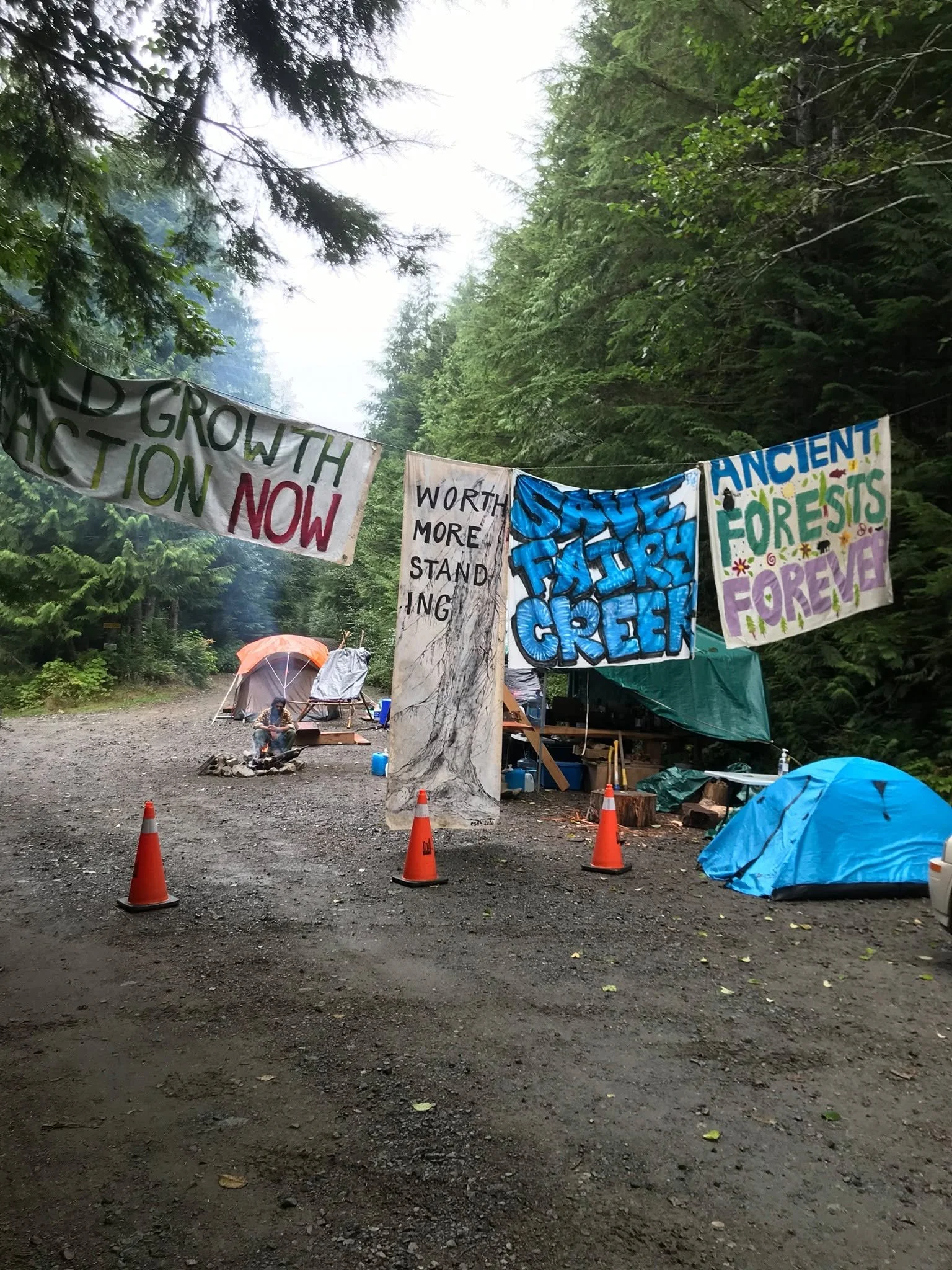
Stand in solidarity with land defenders protecting the water! Their sacrifices benefit all life!
We’ll likely need to collectively lean into the edges of civil disobedience in the days and years ahead, because boy oh boy, this machine will not stop without some friction. What’s affecting water in domestic geopolitical news that isn’t getting the airtime it deserves?
Alberta's Black soil zone, home to some of the most nutrient-dense and fertile agricultural land in the world, is currently being excavated to build a 13-billion dollar AI data centre for Meta.
The day after Truth and Reconciliation, Mark Carney announced that the Pacific Link Pipeline will be the first project of national interest following his recent billionaire investor summit in Toronto. At the same time, he’s pushing Bill C-5 and Bill C-39 set to fast-track major infrastructure, resource, and transportation projects… steam-rolling the environment, Indigenous consultation, and labour rights in the process.
In Northern Ontario, government and investment corporations are in the midst of some truly horrifying activity: laying the groundwork for massive-scale mineral mining in an area that’s known as the Ring of Fire. This is a large, interconnected geopolitical strategy by Canada and its NATO allies to secure a military supply chain that’s independent of foreign adversaries and insulated from trade wars. HOWEVER, the area they propose to mine constitutes one of the largest continuous peatland complexes in the world, storing billions of tonnes of carbon. Disturbance of these areas - through road construction, drainage or mining - could release more than 1 billion tonnes of carbon dioxide, speeding up global warming and contributing to horrific climate disasters like the recent flooding in Nepal from a collapsed glacier. The region also supports critical wildlife habitat, including boreal caribou populations, which are already under pressure from industrial activity elsewhere in Northern Ontario.
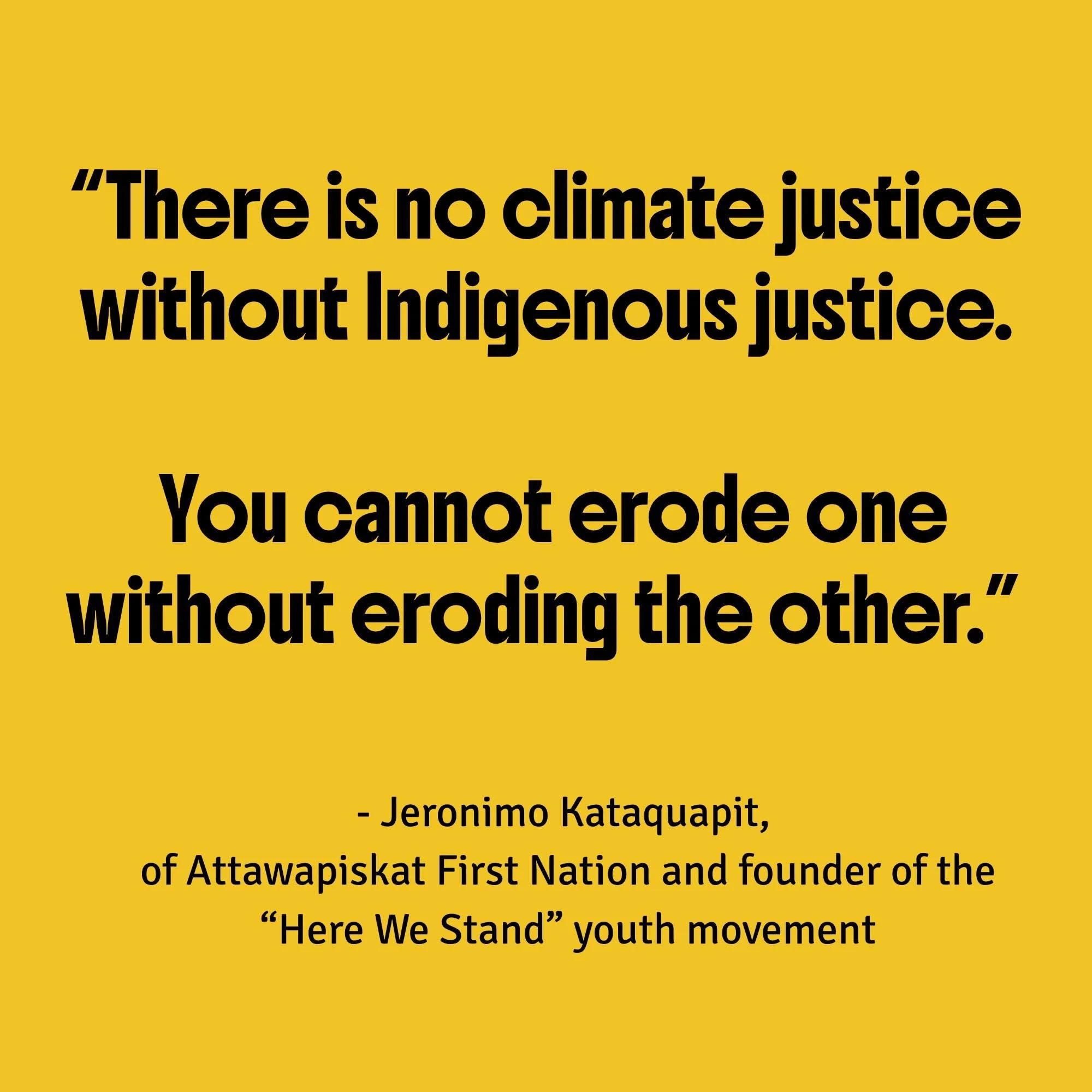
In the words of activist Jeronimo Kataquapit from Attawapiskat First Nation and founder of the “Here We Stand” youth movement, one of the many voices protesting mining in the Ring of Fire : “There is no climate justice without Indigenous justice. You cannot erode one without eroding the other”.
Seems past time to get a bit more organized! For the sake of water, life, and the joy that can be found in the community of protecting them. What news do you have? What are your favourite ways to show your love for water? Which pathways do you know of for protecting this lifeblood of the planet? Let’s continue the conversation…