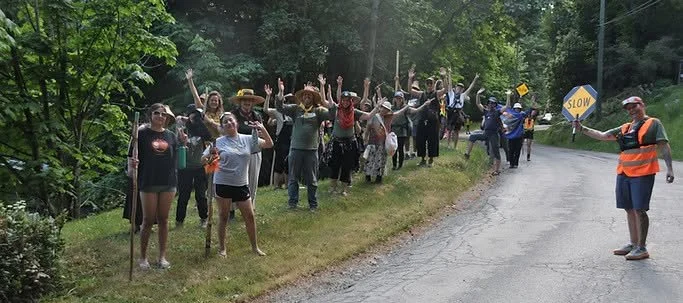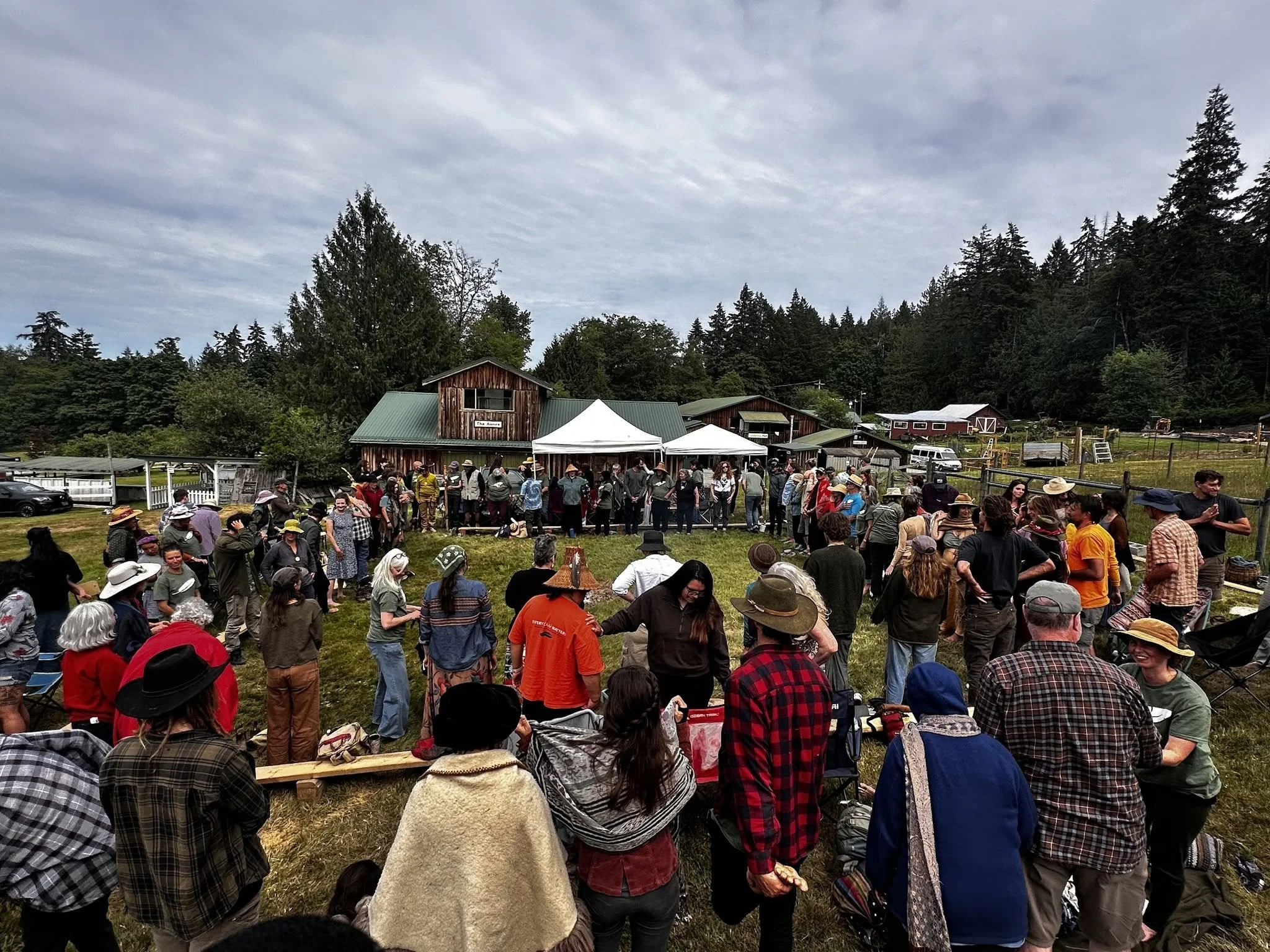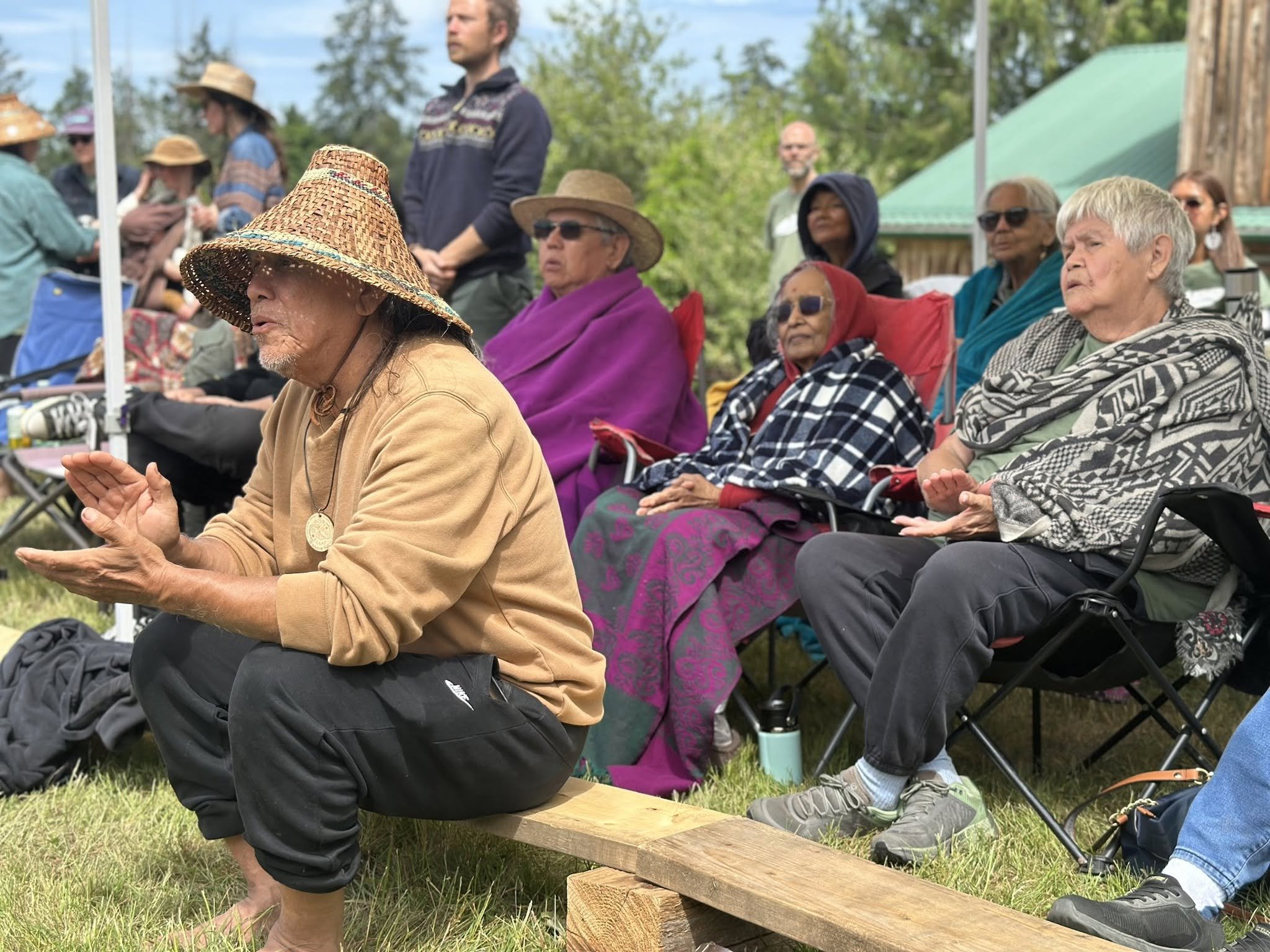


From May 21 - May 24, I joined a group of around 100 others, ranging from 2 month in age to into their 80’s, as part of the Q’ushin’tul Ancestors Walk. As described by its creators, “Q’ushin’tul’ is a Hul'q'umi'num word meaning ‘walking with one another’. It's a name describing our annual re-tracing of ancestral pathways, as a way to strengthen Quw'utsun and Coast Salish connection to; culture, lands, waters, people and all of our living relations. While each year takes a different shape, our walk and gatherings are grounded in the fundamental themes of unity, belonging, family and peace. Quw'utsun Elder Qwiyahwultu-hw (Robert George) alongside his family, leads this intentional, multi-generational, cross-cultural work that started in 2019”. (*1)
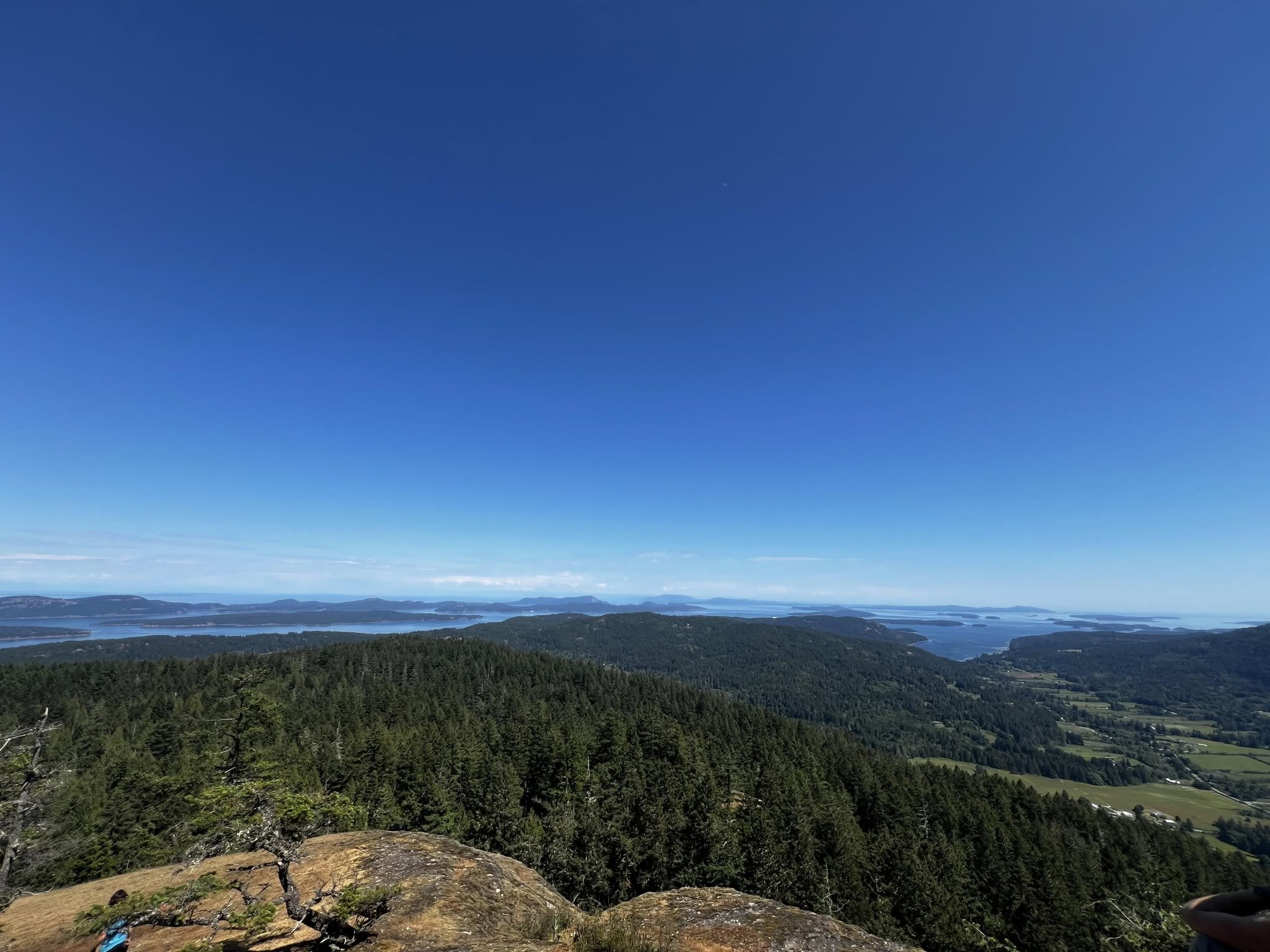
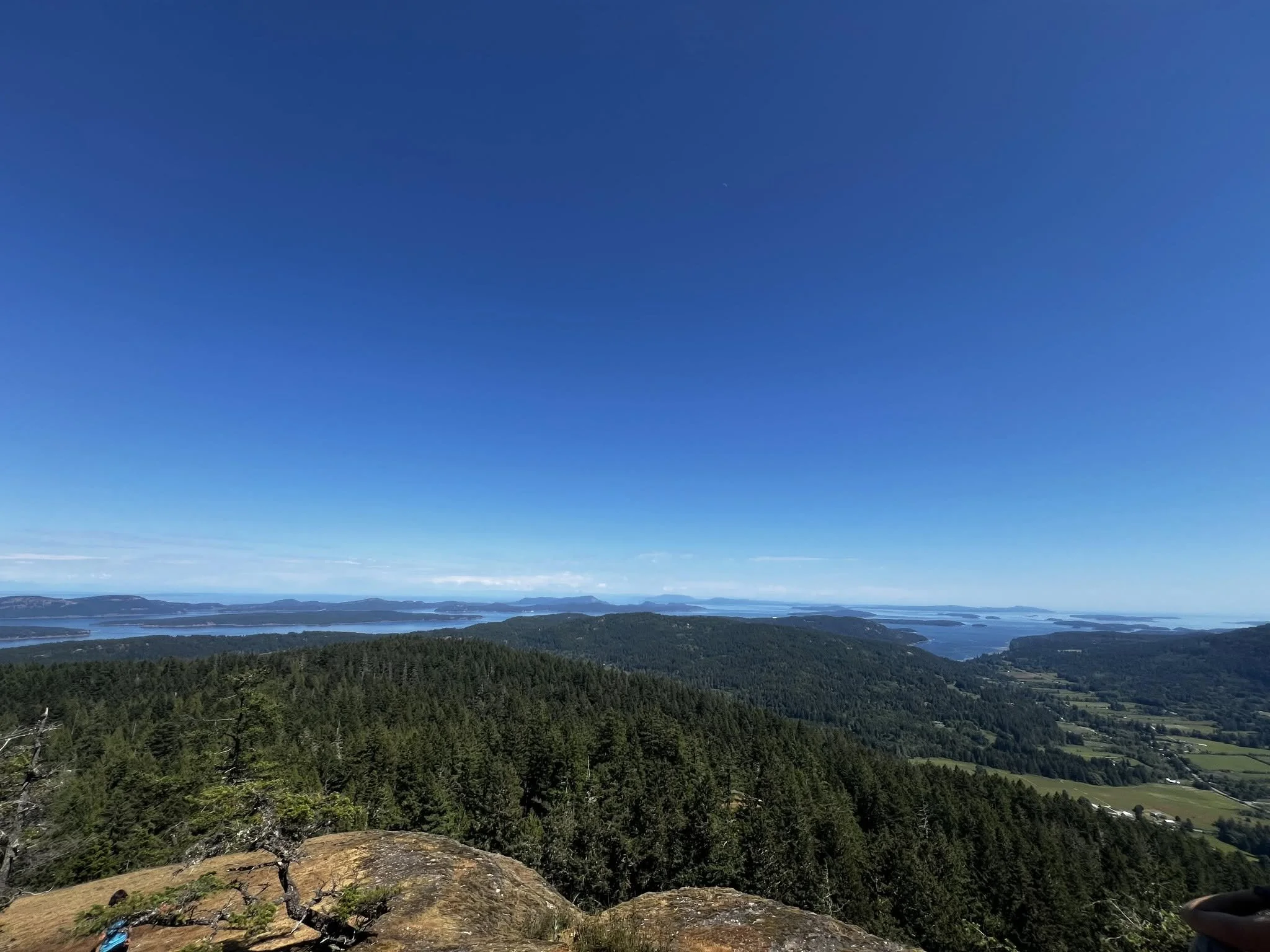
Our group set out from the Lhumlhumuluts’ village in Xwaaqw’um (Burgoyne Bay) and trekked as one all the way up to the summit of Hwmet’utsum (Mount Maxwell) where we stayed for the first night. The next day we walked into Shiya’hwt (Ganges) where we camped for another two nights. On the third day our group travelled the roads, visiting three different elder-care facilities to share songs and prayers. On the final day, our group gathered with the broader community for a potluck lunch and cultural sharing.
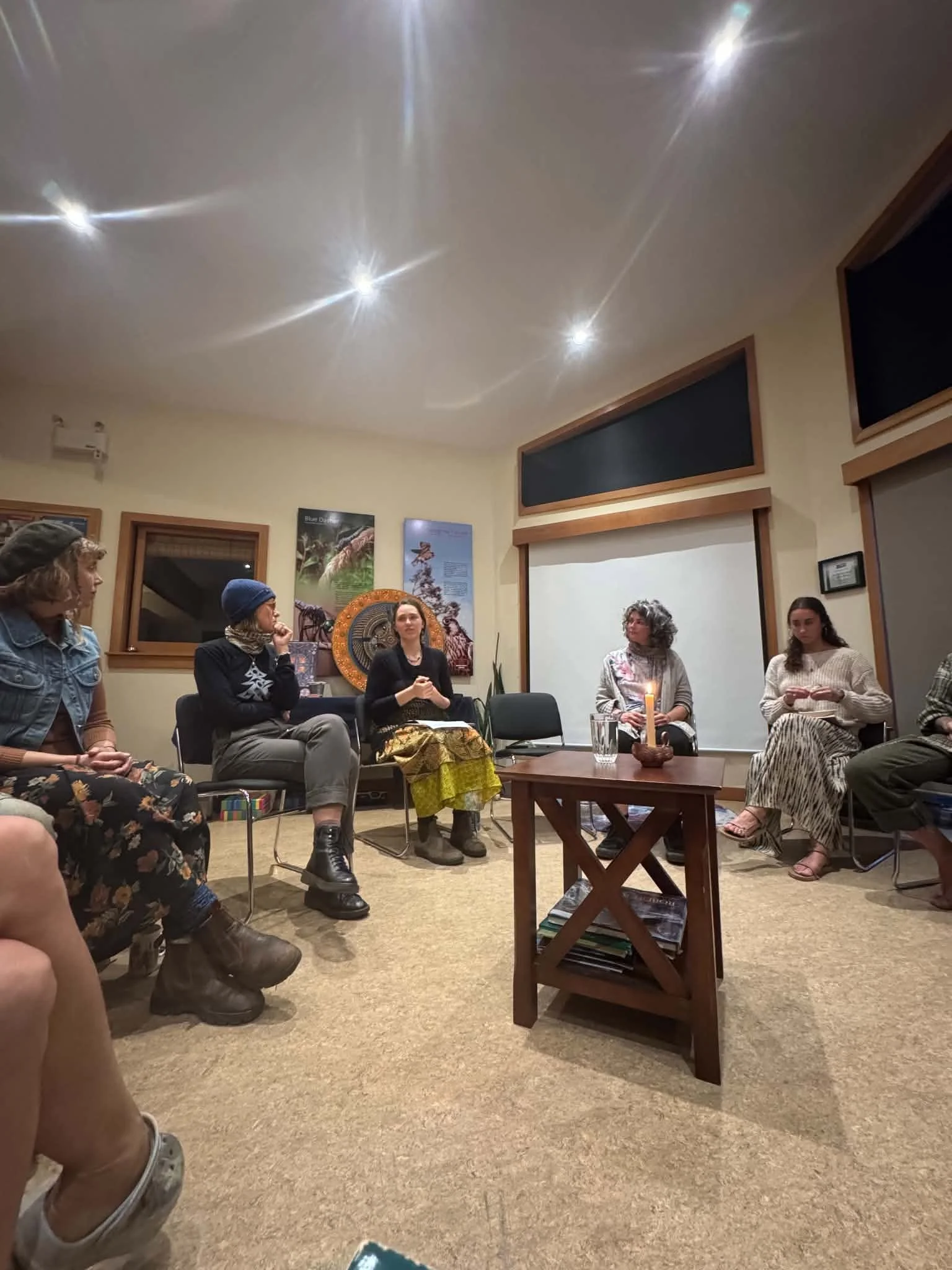
In accordance with Coast Salish cultural protocol, six witnesses were selected from the group to share what we have observed and experienced during this 4-day ceremonial walk with our communities. Although Facebook has not been in my zone of comfort for communicating for quite some time, I’ve been honoured with the responsibility of bearing witness to this event and am hopping on with this share as part of my fulfillment of that joyful task. What follows is an amalgamation of some of our collective insight and prayers.
Transformed by our time together, we remembered how to be human alongside each other and live into the values of peace, unity, belonging, and family.
We remembered the importance of laughter, song, and dance in uplifting our spirits and healing, and that our peaceful co-existence can come effortlessly when we grow beside each other with respect and appreciation for each other’s uniqueness.
We remembered the joy and nourishment of one’s spirit that comes from being in service - we only have to look around ourselves to find myriad opportunities.
We remembered that by weaving our lives together in kinship, we can lighten the burdens that we all carry, especially those of the elders and mothers, who in common society so often find themselves isolated and under-supported. While we pay attention to their needs and fulfil them with respect and devotion, we regain the guidance from our elders about how to live, and contribute to the health of the future, by contributing to the health of the children by contributing to the well-being of their mothers.
We remembered that the children are our joy and hope! That their presence is necessary and precious in our daily lives, that their safety must be prioritized. We lived our collective responsibility as a community to demonstrate healthy ways of being so that they can navigate their lives and relationships with a compass marked by nourishing and life-supporting values. Our collective love and protection is the birthright of all children on this earth.
We remembered the critical importance of the languages of these lands as well as those of our mother or ancestral tongues. Many languages were represented and spoken, of all levels of familiarity, fluency, and stages of re-connection.
We remembered the importance of permission, thoughtfulness, and care when interacting with the landscape and her many inhabitants.
We remembered the reciprocal relationships between the material and unseen worlds, and how the actions in one influence the other. In this regard, we were reminded of the our obligation to actively demonstrate our respect and honour to those ancestors passed.
We remembered that in a world full of distraction, grief, and conflict - we can realize our own hearts and be guided by them, overcoming past hurts and opening ourselves to others. In turn, we can receive the open-heartedness of our kin with sacred regard and respect, honouring the courage and trust that it takes to be known in such a way by another.
We remembered that even an old growth tree grows new leaves in the spring, and in similar fashion, the path of learning continues into old age.
We remembered that teachers come in many forms beyond each other: the land, the ancient species, and our own listening and intuition in interacting with them.
On this path of reconciliation, as a guest on this land, I observed such natural conversations between our many cultures which flowed from a mutual recognition of our shared human experiences and seeing each other as equals. We all dream, we all cry, we all come from somewhere, pass through the phases of our lives, and will one day become ancestors ourselves. As a third-generation immigrant whose grandparents all settled in this country from Germany, being able to sift through the histories that brought me here, deepen my personal decolonization practices, and nourish an ancestral connection from this part of the world alongside a community of peers doing similar work was transformative.
We have all been EXPERTLY guided in our remembering. The incredible harmony of this ceremonial walk and our interactions was a direct result of the leadership which delivered it. With full conviction, I share that the Indigenous ways of knowing that I witnessed under the guidance of the Q’ushin’tul Elders and teachers are advanced technologies. They have been honed over millennia and are utterly precious and necessary in the work of creating peace, unity, belonging, and kinship between each other in this world, which we all share the opportunity and responsibility to help create. Local and globally, Indigenous ways of knowing are to be respected, cherished, and learned from with a certain amount of urgency if we hope to sustain the existence of our species and so many others.
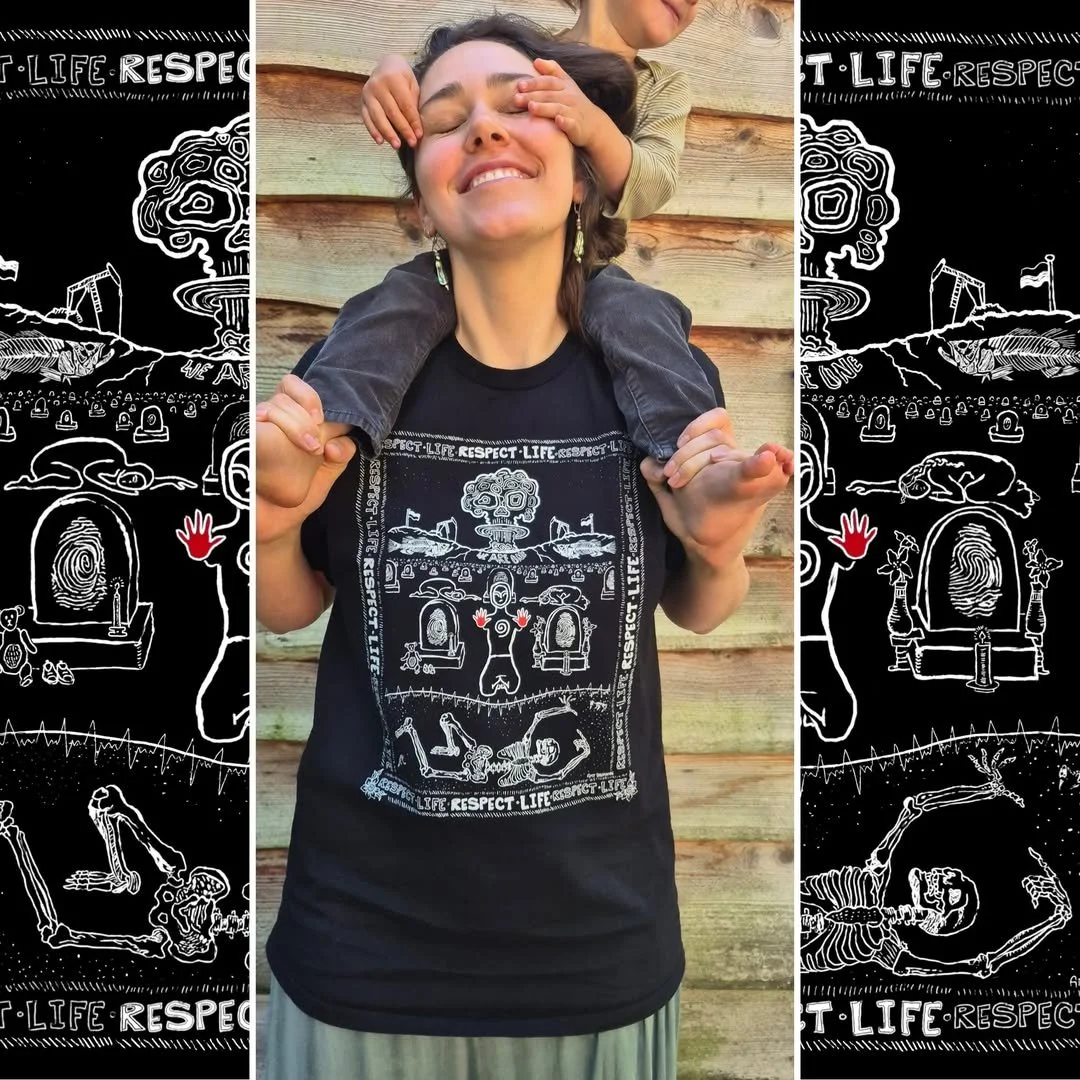
Thank you to the ones who helped me remember: Despite what may appear to be the desecration of our planet by actions resulting from corruption of spirit and a lack of regard for the web of life - beneath every tar sand, every Walmart, every construction site, and every homeland bombed to rubble: there are the bones of our ancestors and the heartbeat of the earth, our mother. Remembering all that came before and lived upon her:
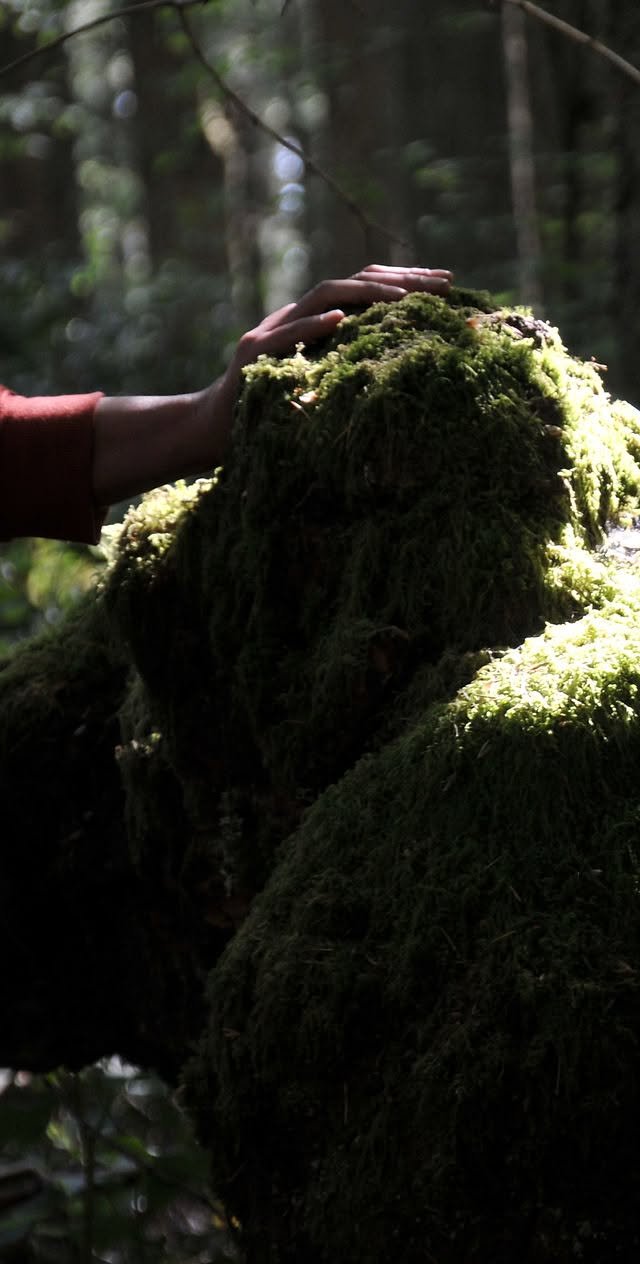
- The steps of the Nuu-Chah-Nulth messengers in the moss of the Old Growth forests, the moss so soft underfoot that they could run the 500 kilometres from so-called Port Hardy to Victoria in one week.
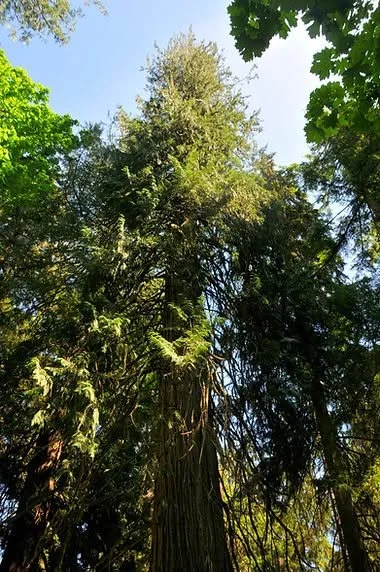
- The standing giants she she grew: Cedar - XPEY’, a single one growing large enough to carry 50-60 paddlers, seated six across, now nearly gone despite having birthed a civilization.
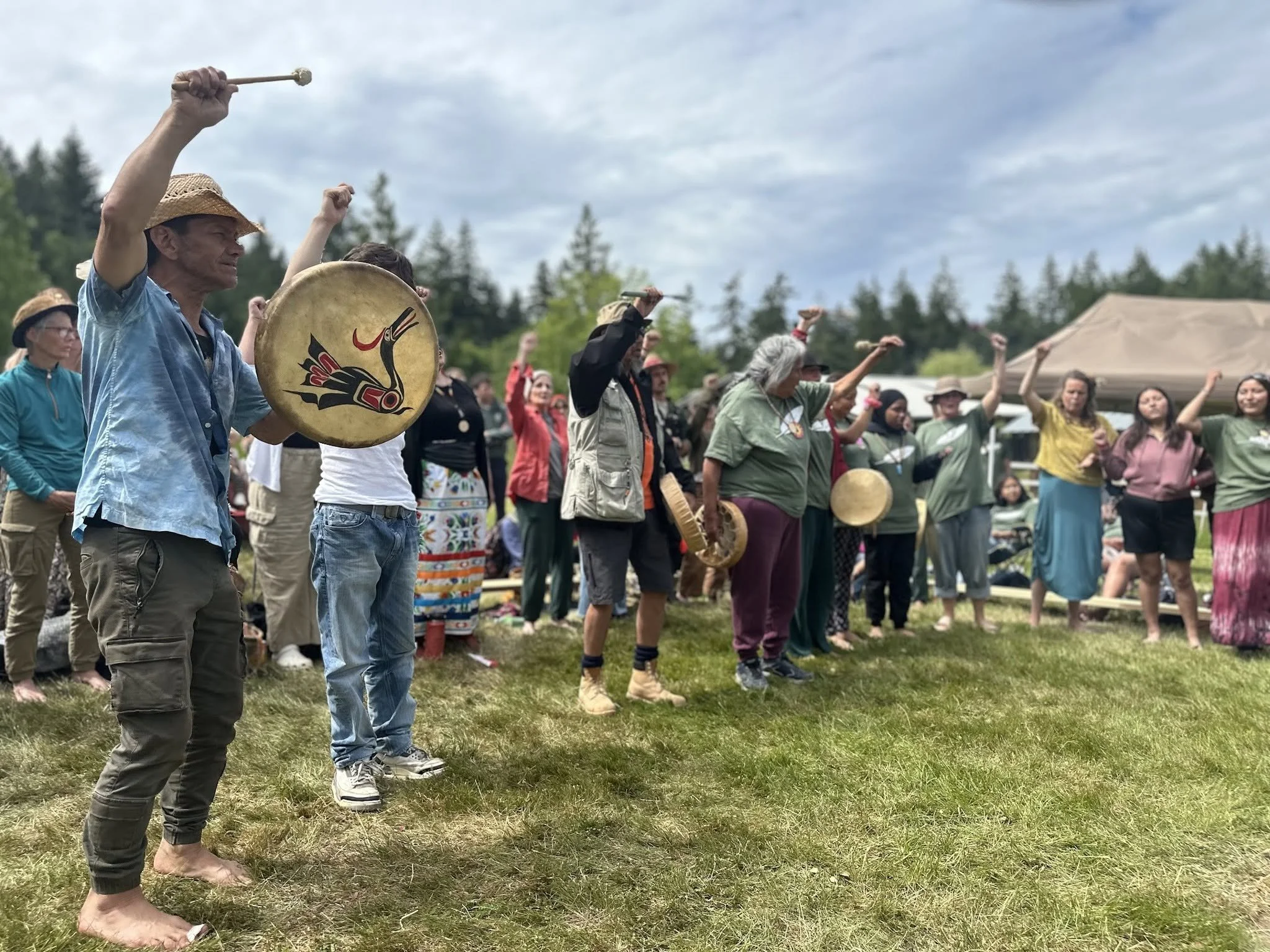
She is waiting to spring back to life. Waiting for us to remember and protect her. Can we listen together to her heartbeat, the drum? Will we answer her call together?
“HUY’UL’WULH KW’AMKW’UM’THU HUY’QWOON, NI’ STTH’ETTH’UKSTUHWUS TUN’A SHHWU I’TST”
“So powerful is the light of unity, that it can illuminate the whole earth” - Baha’u’llah
Huy' tseep q'u to the George family and their relationships of invited stewards.
Huy' tseep q'u to the original inhabitants of these lands, the Hul’qumi’num and SENĆOŦEN-speaking peoples.
Huy' tseep q'u to all of the many individuals and organizations who contributed their resources and time in support of this event.
Huy' tseep q’u to the large, skilled, and amiable Q’ushin’tul crew who helped things run smoothly and safely.
Huy' tseep q'u to the team at the Salt Spring Island Centre of Yoga who hosted us for lunch on our way down from the mountain with delicious food from their farm.
Huy' tseep q'u to The Hearth, Kajin Goh, and Christina Chua for hosting one of the preparation luncheons for this event and for the incredible work you do in service to the community, upholding those same values espoused in Q’ushin’tul.
Huy' tseep q’u to the team at the Farmers Institute and the comfortable facilities there.
Huy’ ch q’u to Val Perkins for your beautiful camping space and glorious outhouse.
Huy’ ch q’u to Hwmet’utsum, the spirit of the mountain, for granting us safe passage.
Huy' tseep q’u to my fellow walkers
Huy' ch q'u to Amin Ebrahimian who took care of our child so that I could be fully present for this beautiful occasion. I felt the power of this ceremony most through the movements of the fire, the birds, and the Ancestors - the staffs. In the language, speech and leadership of the Indigenous Youth who were present alongside their Elders. It was extraordinary.
A reminder: Indigenous Peoples Weekend on Salt Spring Island starts today and runs til Sunday at the Farmers Institute. Be sure to check out Thu-it [Truth] (pronounced Tha-eet) - a self-guided, multi-media walk-through experience that takes you through over 150 years of colonial history - and the impact it has had and continues to have on Indigenous communities, families, and individuals. See the Indigenous Peoples Weekend website for the full program.
And - book recommendations for 19th and 20th century local Indigenous history which contextualize Canadian colonization and occupation : The Terror of the Coast by Chris Arnett, and Two Houses Half-Buried in Sand by Beryl Mildred Cryer (both available at Salt Spring Books!)